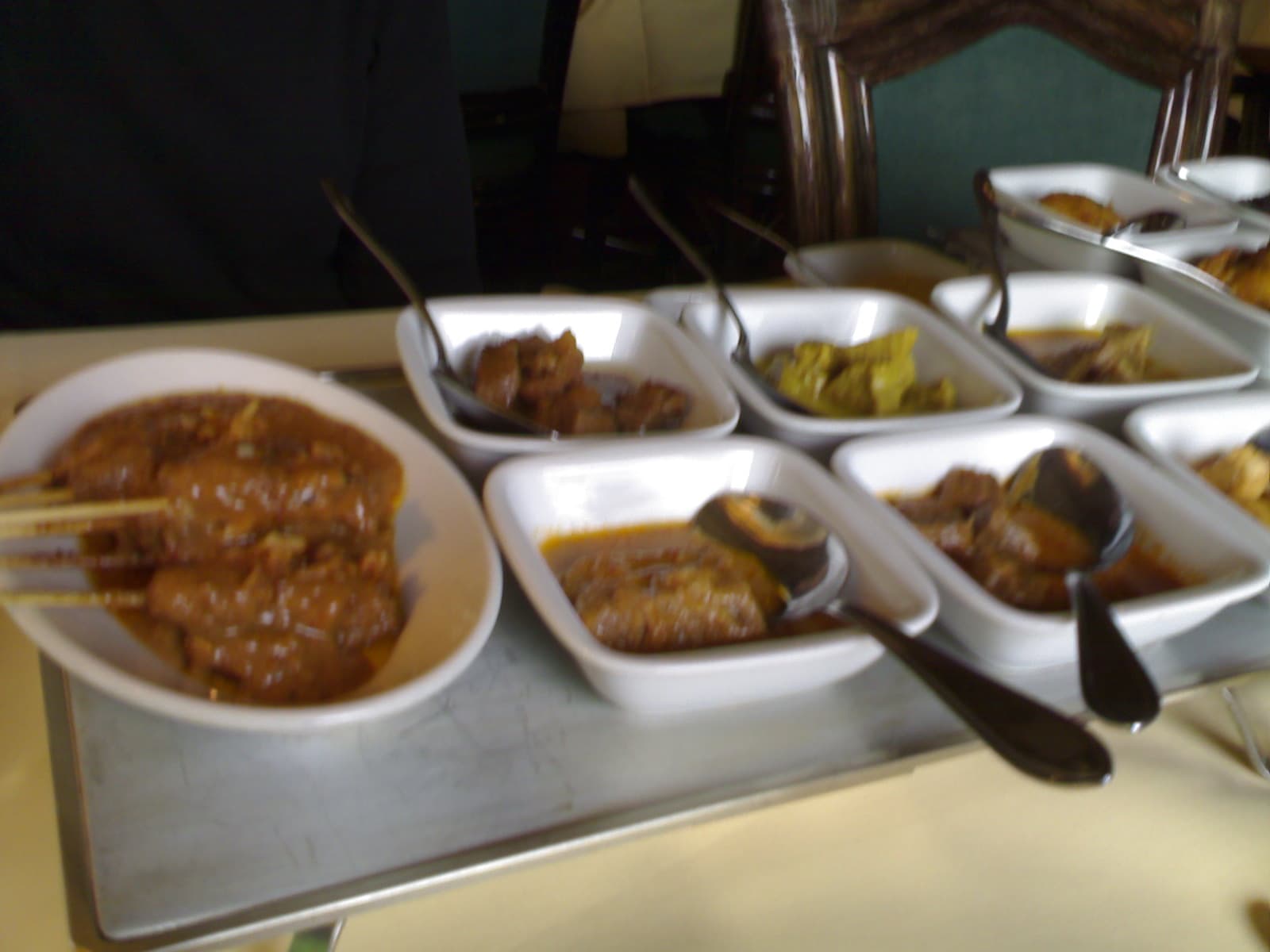
Indonesian food is not exotic in Amsterdam - it is part of the furniture. Three centuries of colonial history mean every Dutch supermarket sells sambal and kroepoek, and a proper rijsttafel is one of the genuine highlights of eating in this city. Done well, it is a table covered edge to edge with small dishes: skewers, slow-cooked beef, fierce sambals, crisp things, sweet things, and a quiet bowl of rice holding it all together.
It is also a meal that rewards a little planning. Here is where to go, what to order, and what to watch out for.
Tempo Doeloe, Utrechtsestraat
For many Amsterdammers, Tempo Doeloe on Utrechtsestraat is the benchmark. It is small, intimate and serious about spice - their rijsttafel can run to around 25 dishes, and the heat is real, so listen when staff warn you. Expect roughly 40 euros and up for the full spread. Reservations are essential; this is a tight room that books out well ahead.
Blue Pepper, Oud-West
Blue Pepper near the Nassaukade takes a more refined, modern-tasting-menu approach. Crucially, it does not force the whole table onto one menu - each diner can choose a different tasting menu, so you can build your own rice table. The multi-course "Sultan" menu lands around 67 euros per person. This is the special-occasion choice.
Sampurna, near the Bloemenmarkt
Sampurna on the Singel, right across from the flower market, is a dependable central option with several rijsttafel set menus from roughly 27 to 35 euros. It leans towards the spicier end and gets solid, consistent local reviews. Good if you want classic rijsttafel without the high-end price or the long lead time on a booking.
Aneka Rasa, Warmoesstraat
A short walk from Centraal Station, Aneka Rasa on the Warmoesstraat is the value pick - and unusually, it does an excellent full vegetarian rijsttafel, which is hard to find done properly. Reviewers consistently call out the quantity and quality for the price. It sits in a busy stretch near the Red Light District, but the restaurant itself is calm and the cooking is the real thing.
On a budget
If you want the flavours without the feast price, you have good options:
- Bojo on Lange Leidsedwarsstraat - long-running, casual, late-opening, with mini-rijsttafels and big plates from around 16 euros
- Toko counters and warungs across the city sell nasi rames or bami - a single plate with rice, a few stews, egg and sambal - for roughly 10 to 14 euros to take away
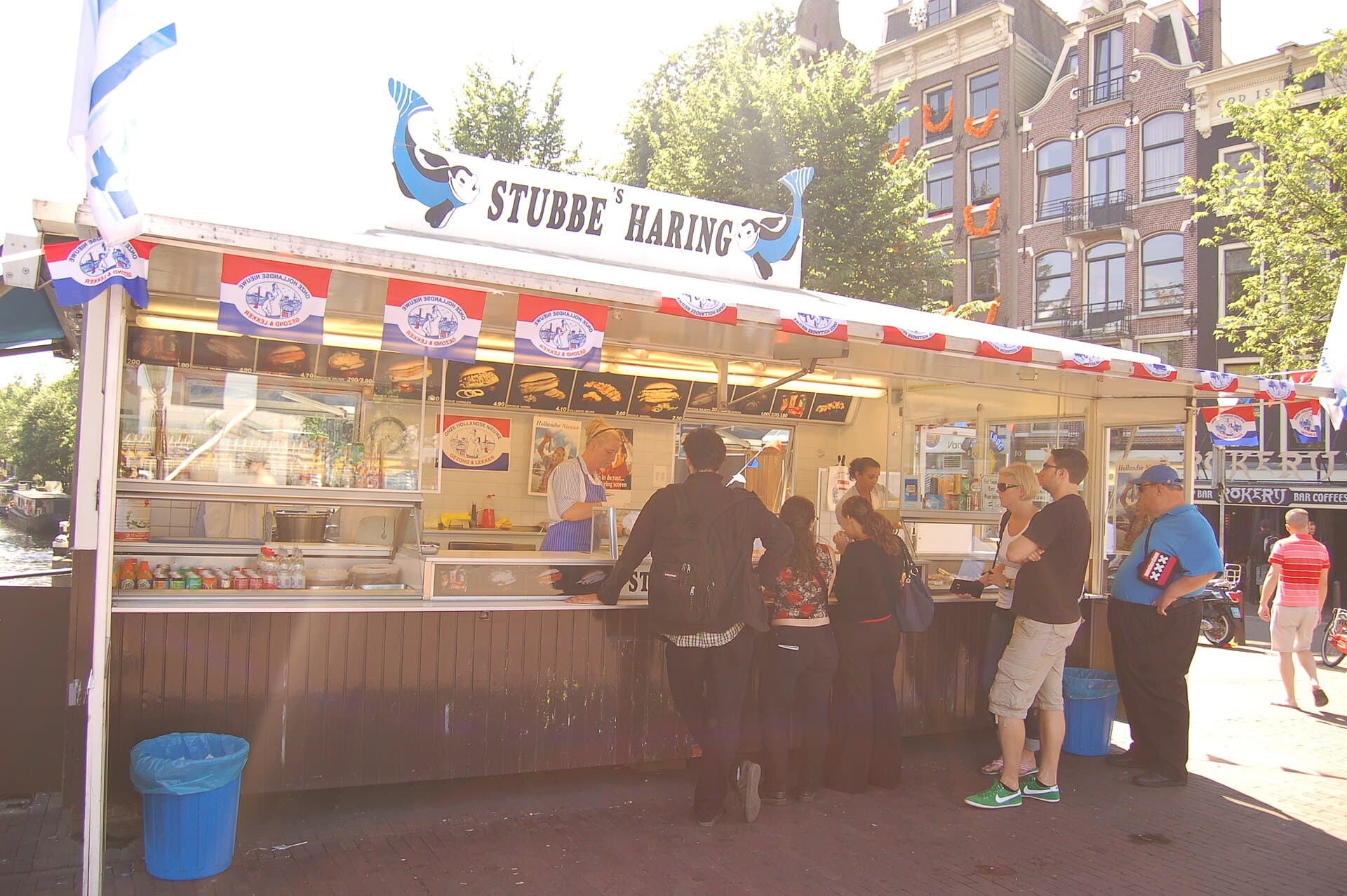
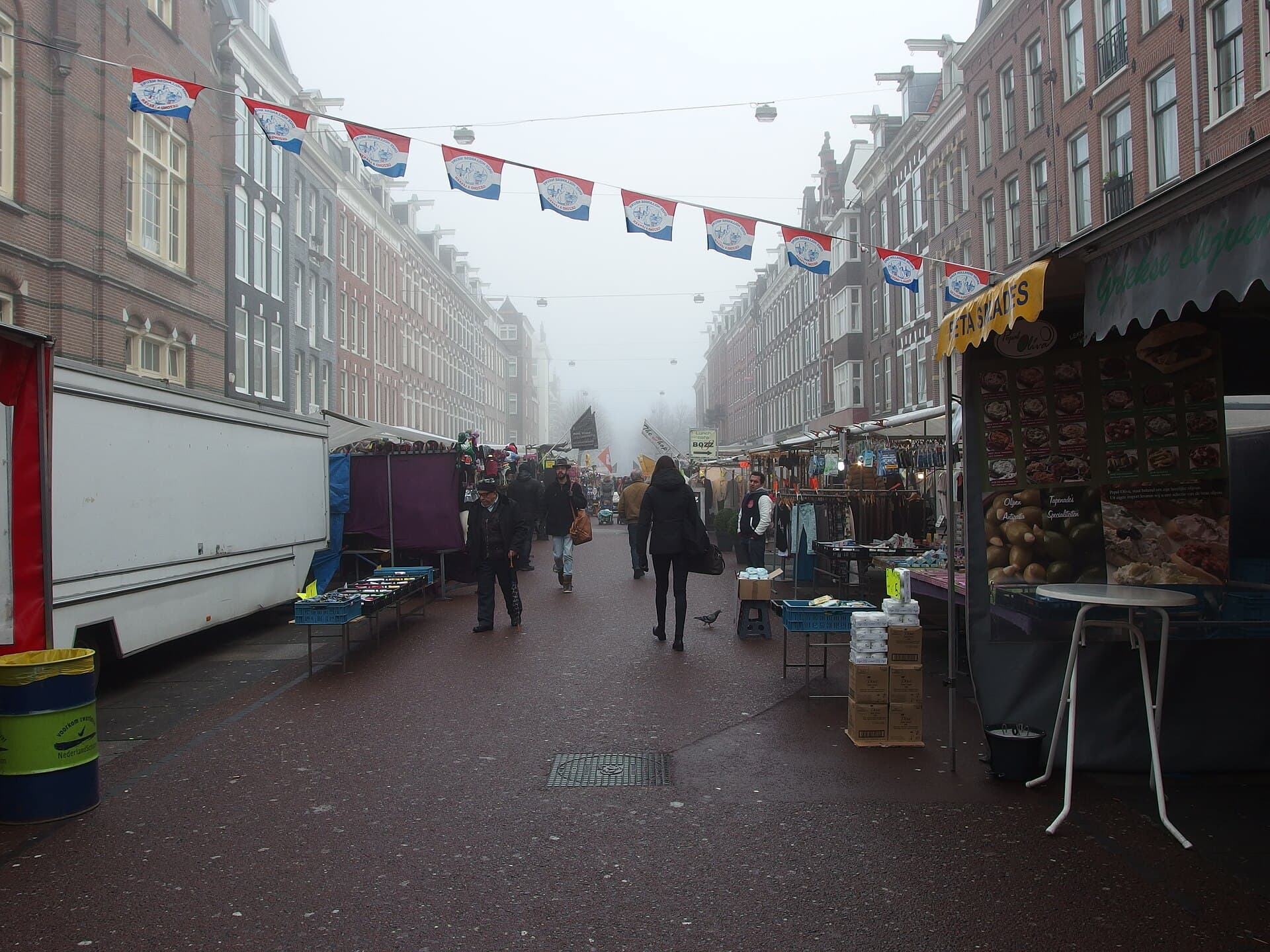
- The Indonesian and Surinamese stalls at the Albert Cuyp market in De Pijp do excellent cheap plates - see our food markets guide and cheap eats guide for more
Honest notes and what to skip
Not every famous name is worth it. The much-guidebooked Sama Sebo in Oud-Zuid divides opinion sharply, with mixed recent reviews and a price that does not always match the plate - go in with low expectations or skip it. And Restaurant Blauw, a long-respected Oud-Zuid institution, was closed into early 2026 for a kitchen renovation, so check before you plan around it.
A general rule: avoid Indonesian restaurants on the most touristed streets with laminated photo menus. The best ones are small, sometimes a little dated inside, and run by people who clearly care.
How to order and eat it
- Order rijsttafel for the table at most places - it is designed to be shared, and the variety is the point
- Pace yourself: dishes arrive together and there are a lot of them
- Key things to find on the spread: saté ayam (chicken skewers), rendang (slow beef), gado-gado (vegetables in peanut sauce), sambal goreng, and kroepoek crackers
- The little dishes of sambal are seriously hot - taste a fingertip before committing
- Finish with spekkoek, a spiced layered cake, if it is offered
A rijsttafel is a two-hour meal, not a quick dinner. Book it, bring an appetite, and treat it as the event it is meant to be.
For more on where to eat well in the city, see our guide to the best food in De Pijp, Amsterdam's strongest eating neighbourhood.